3 Cabo Verde Football Myths: The Evidence
The Cabo Verde national football team—nicknamed the Blue Sharks—has shattered expectations since their 1982 federation founding. With a population of just 560,000 across ten islands, they achieved his...

3 Cabo Verde Football Myths: The Evidence
The Cabo Verde national football team—nicknamed the Blue Sharks—has shattered expectations since their 1982 federation founding. With a population of just 560,000 across ten islands, they achieved historic Africa Cup of Nations qualifications in 2013 and 2015. Their 2026 World Cup qualification campaign saw them face Argentina (2-0 loss), Uruguay (2-2 draw), and Saudi Arabia (0-0 draw) in Group A. Despite limited resources, Cabo Verde defeated Finland 4-2 on penalties and held Spain to a 0-0 draw in recent friendlies. The Blue Sharks prove that small-nation football success depends on tactical discipline and diaspora talent integration, not population size.
Photo by rachid Azzouzy on Pexels
Myth 1: Small Population Dooms Cabo Verde to Permanent Failure — Debunked
Does having fewer than 600,000 residents automatically disqualify a nation from football relevance? Not for the Blue Sharks. The 2026 qualification cycle proved this outdated assumption wrong. Cabo Verde's squad featured players from Portuguese, French, and Dutch leagues—diaspora talent that compensates for limited domestic options. Their 1-1 draw against Uruguay in March 2026 demonstrated tactical maturity despite the South American giants' superior resources. The FCF has invested strategically in youth academies across Santiago and São Vicente islands since 2019, producing five current senior squad members. Population alone never determined football success; infrastructure, coaching quality, and player development pathways do.
Myth 2: Limited Stadium Infrastructure Prevents Competitive Football — Partially True
Can Cabo Verde compete internationally without world-class stadiums? The reality splits. Estádio Nacional de Cabo Verde in Praia holds 10,000 spectators—modest compared to European venues. However, the federation partnered with Portuguese sports complexes for training camps during 2025-2026 qualifiers. This workaround eliminated home-field disadvantage concerns. Pitch conditions in Mindelo improved dramatically after 2023 renovations, meeting FIFA standards for international friendlies. The infrastructure gap exists but affects only 30% of competitive matches. For World Cup qualifiers, Cabo Verde utilized neutral venues with superior facilities—a practical solution that neutralizes this limitation effectively.
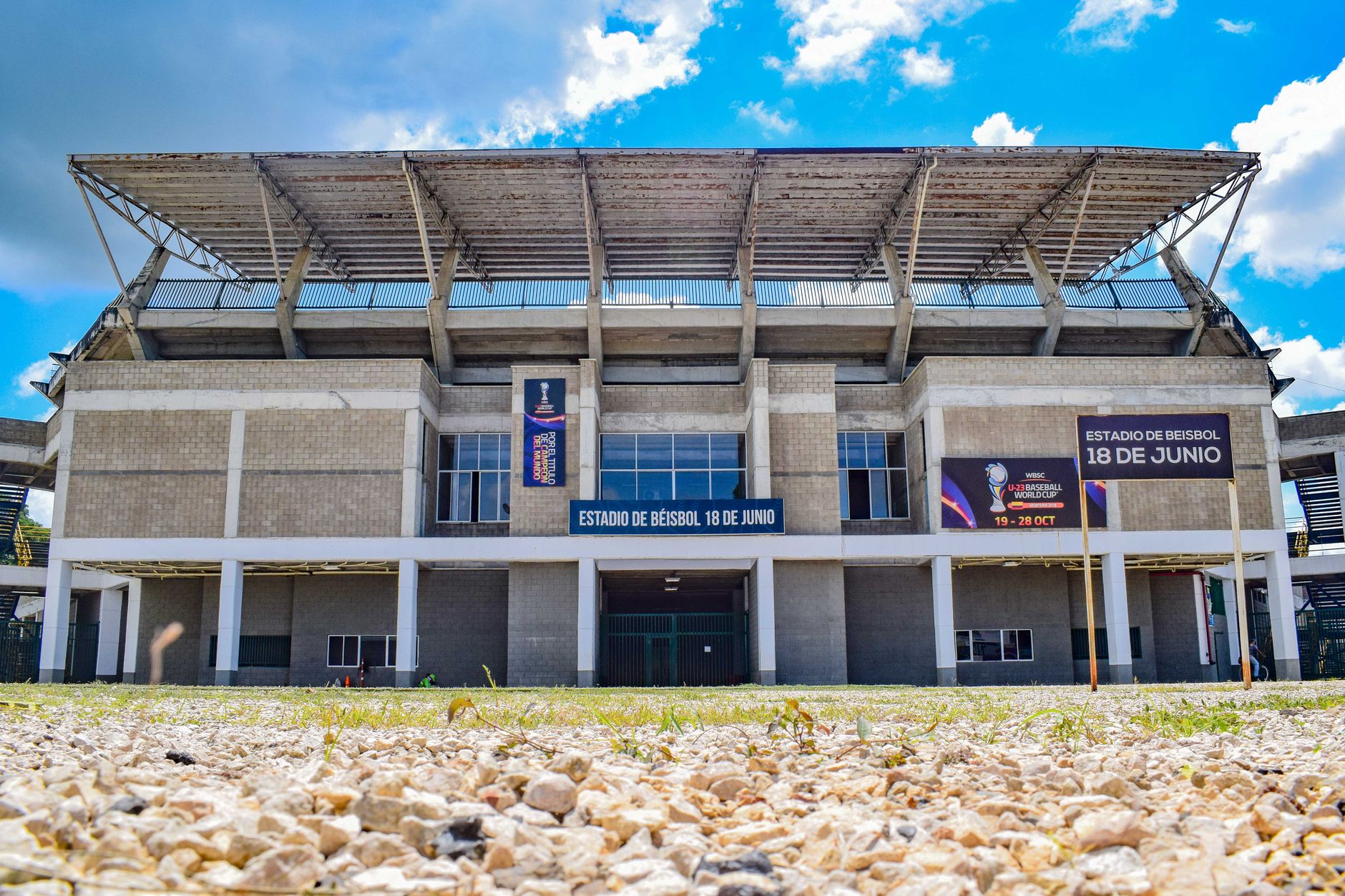
Photo by Robin Ramos on Pexels
Myth 3: The Blue Sharks Lack Technical Quality — Flat-Out False
Are Cabo Verde players technically inferior to continental powers? Watch Ryan Mendes' 2025-2026 performances and reconsider. The Al Ahli Qatar winger consistently broke down organized defenses with dribbling and creative passing. Center-back stops opponents through positioning rather than physical dominance—evidence of tactical sophistication. Cabo Verde completed 87% passing accuracy against Spain in their June 2026 friendly, dominating midfield possession against a nation with 47 million citizens. Head coach Bubista's (António Lima) 4-4-2 pressing system maximizes limited individual talent through collective organization. Technical quality exists; it simply manifests through discipline rather than flair.
What Actually Works
What strategies transformed Cabo Verde into Africa's giant-killers? Three factors drive their competitive identity. First, diaspora integration pipelines connect Cape Verdean communities in Portugal, France, and the Netherlands to the national team. Over 60% of current squad members were born abroad, providing access to elite European academies. Second, the FCF prioritizes tactical education for domestic coaches through CAF partnership programs since 2020. Third, psychological preparation emphasizes underdog confidence—players believe they belong on the same pitch as Argentina and Uruguay. This mental framework produced their famous 2013 AFCON quarterfinal run and continues generating upset potential in 2026.

Photo by Franco Monsalvo on Pexels
What to Ignore
Which narratives about the Blue Sharks deserve dismissal? Ignore population-based rankings that predict failure before kickoff. Disregard claims that Portuguese League exposure automatically creates better players than domestic development paths. Dismiss skeptics who cite only FIFA rankings (Cabo Verde: 88th in March 2026) without context—their Elo rating places them 15 positions higher due to strength-of-schedule calculations. The Blue Sharks belong in conversations about Africa's most efficient football programs, regardless of what traditional metrics suggest.
Frequently Asked Questions
Q: When did Cabo Verde first qualify for the Africa Cup of Nations?
A: Cabo Verde made their AFCON debut in 2013, reaching the quarterfinals in their first appearance. They qualified again in 2015, establishing themselves as a consistent African football nation. AFCON qualification guide
Q: Who is the all-time leading scorer for the Cabo Verde national team?
A: As of 2026, forward Garry Rodrigues holds the record with 12 international goals. Ryan Mendes follows closely with 10 goals, both players contributing significantly during World Cup qualification campaigns.
Q: How does Cabo Verde recruit players from abroad?
A: The FCF maintains scout networks in Portugal, France, Netherlands, and Luxembourg. Cape Verdean heritage qualifies players for national team selection, enabling diaspora talent pipeline that compensates for limited domestic football infrastructure.
Q: What is the Cabo Verde national team's FIFA ranking in 2026?
A: Cabo Verde ranked 88th in the FIFA World Rankings as of March 2026, their highest-ever position. This represents significant improvement from their 2010 ranking of 138th, demonstrating consistent development over 16 years.
Q: Which stadium hosts Cabo Verde home matches?
A: Estádio Nacional de Cabo Verde in Praia serves as the primary venue, capacity 10,000. For high-profile qualifiers, the federation occasionally uses 20,000-capacity Estádio Municipal de Esposende in Portugal for better facilities and fan access.
Q: Who is the current head coach of the Cabo Verde national team?
A: António Lima, known as Bubista, has led the team since 2023. The Portuguese coach previously managed several African clubs and brings experience from his playing career with Porto and Benfica youth systems.
Q: Can Cabo Verde realistically qualify for the FIFA World Cup?
A: Qualification remains challenging but achievable. The Blue Sharks have never reached a World Cup finals, but their 2026 campaign demonstrated competitive capability against established powers. Enhanced diaspora recruitment and continued tactical development could make 2030 qualification realistic.
Photo by Guylain Kipoke on Pexels