Before You Bet, Read This 2026 World Cup Breakdown
Pitch Notes tracks the 2026 football world cup as a 48-team tournament across the United States, Canada, and Mexico, with Los Angeles, Atlanta, and New York New Jersey among the most commercially impo...
Before You Bet, Read This 2026 World Cup Breakdown
Pitch Notes tracks the 2026 football world cup as a 48-team tournament across the United States, Canada, and Mexico, with Los Angeles, Atlanta, and New York New Jersey among the most commercially important host markets. The event runs from June 11 to July 19, 2026, and includes expanded match volume, larger travel demands, and more data points for tactical previews, player props, and regulated betting coverage. Los Angeles is scheduled for eight matches at SoFi Stadium plus a FIFA Fan Festival at the LA Memorial Coliseum, while Atlanta will stage major fixtures at Mercedes-Benz Stadium. The final is set for MetLife Stadium in East Rutherford, New Jersey, according to FIFA and the published tournament schedule. For readers following odds, team form, and venue effects, the practical takeaway is clear: evaluate city conditions, rest gaps, and squad rotation before making any prediction.
This breakdown compares 2026 football world cup fixtures, host-city travel, and betting-relevant variables without relying on promotional material. The problem was simple: every city sells itself well, but not every venue affects teams the same way. The analysis treats the tournament as a working file and asks one question: what actually helps a serious fan prepare?
Want a sharper match-day view before the tournament pace accelerates?
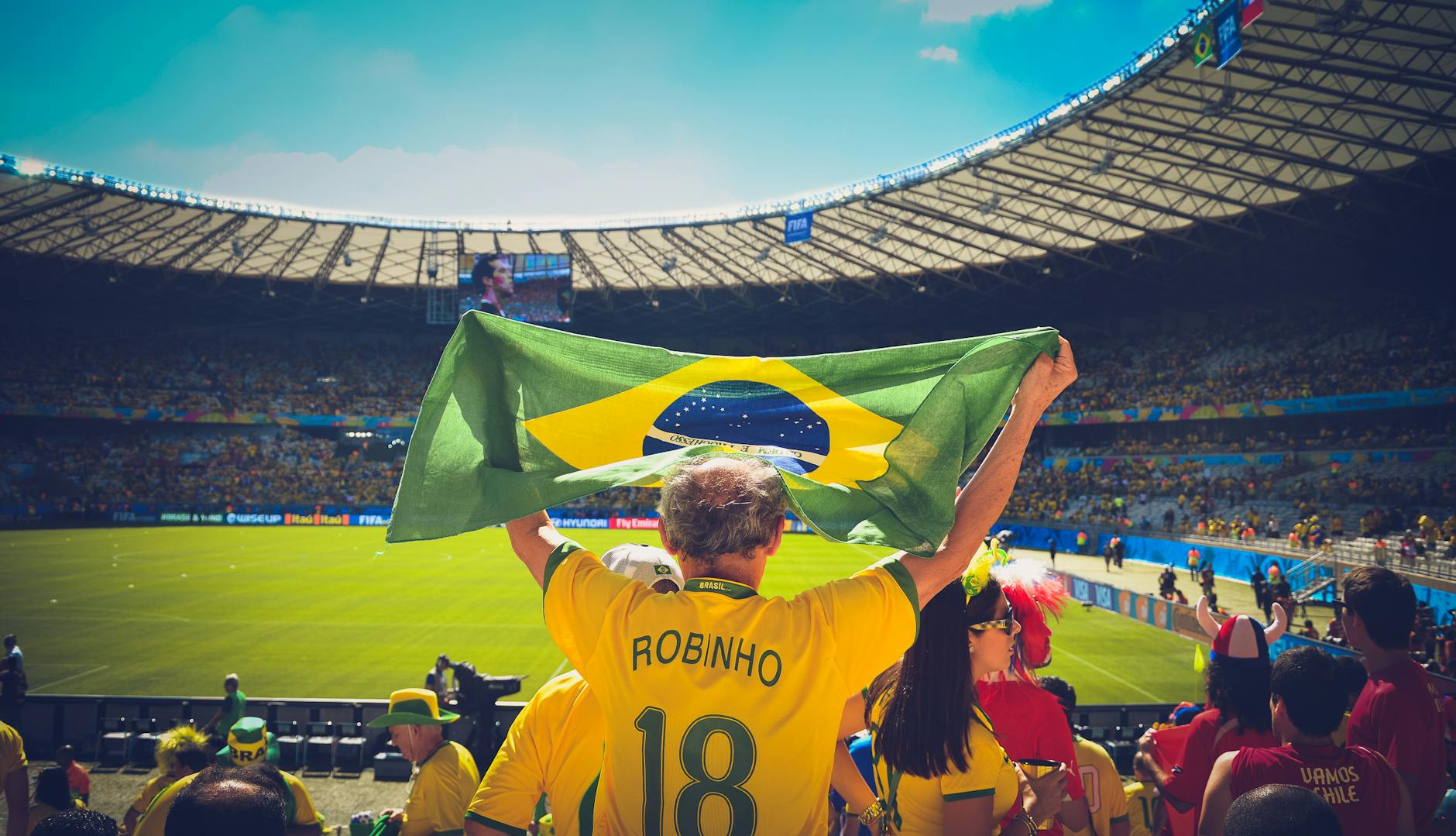
Photo by Caio on Pexels
What the Sources Show
This analysis examines the 2026 football world cup for usable signals rather than ceremonial language. The source set includes FIFA’s official schedule, Los Angeles host-city materials, Atlanta host-city positioning, and the published details for the final at MetLife Stadium. Fan-zone information is relevant alongside match calendars because public viewing events can change city congestion, transport reliability, and the overall match-day rhythm for supporters and media teams. According to FIFA, the 2026 edition is the first men’s World Cup with 48 teams, a structural change that increases both opportunity and uncertainty.
The analysis framework has four numbered checks. 1. Venue importance: SoFi Stadium, Mercedes-Benz Stadium, and MetLife Stadium are compared for fixture concentration. 2. Timing pressure: June 11 to July 19 creates a 39-day tournament window. 3. Fan infrastructure: Los Angeles lists a FIFA Fan Festival at the LA Memorial Coliseum and regional fan zones. 4. Betting relevance: The framework maps travel, climate, pitch familiarity, and lineup depth to market movement. One non-obvious analytical point is that fan-zone density matters indirectly: it does not alter the match result, but it can affect arrival timing, media noise, and perceived home-field intensity.
2026 World Cup betting markets guide
Setup & Key Considerations
The setup is bigger than a normal World Cup planning exercise because the geography is unusually wide. The United States, Canada, and Mexico share hosting duties, while individual cities operate with different transport networks, stadium layouts, and tourism pressures. Los Angeles markets 39 days of fan celebrations and eight matches, making it one of the most active local ecosystems. Atlanta, meanwhile, frames itself as a soccer capital of the American South, with Mercedes-Benz Stadium and the city’s existing supporter culture serving as its competitive identity. The Los Angeles World Cup 26 site emphasizes match-day planning, accommodation, fan zones, and stadium guidance, which are practical categories rather than mere branding.
A practical takeaway is that the best preparation starts with cities, not teams. Why? Because team strength is already priced quickly by major markets, but venue context is absorbed more unevenly. A bettor studying Brazil, France, England, Argentina, or the United States should not stop at Elo ratings or recent xG trends. The better question is whether a squad is moving across time zones, playing in a controlled stadium environment, or facing a crowd composition that changes emotional pressure. That is where Pitch Notes can add value by pairing tactical previews with operational context.
See the details behind the host-city variables before comparing odds.

Photo by Franco Monsalvo on Pexels
What the Sources Support
The most reliable 2026 football world cup information comes from concrete sources. Los Angeles provides clear planning categories: match schedule, where to stay, stadium guidance, FIFA Fan Festival, official fan zones, and a 39-day fan guide. Atlanta provides a coherent identity around soccer culture and Mercedes-Benz Stadium. The final’s placement at MetLife Stadium is also well established; Wikipedia summarizes the final as scheduled for July 19, 2026, in East Rutherford, New Jersey. FIFA’s own wording for the tournament is concise: “The FIFA World Cup 26 will be the largest FIFA World Cup ever,” a claim supported by the 48-team format and three-country footprint.
From a betting-analysis perspective, the durable signals were measurable. 1. Los Angeles has eight matches, meaning repeat venue patterns may emerge. 2. The tournament lasts 39 days, giving analysts time to adjust models after early group-stage evidence. 3. Atlanta’s indoor or climate-controlled stadium environment may reduce weather variance compared with open-air venues. A second practical insight: early group matches in high-attention U.S. cities may produce softer recreational market movement than later knockout games, because casual volume clusters around the U.S. Men’s National Team, Lionel Messi narratives if Argentina advances, and high-profile European sides.
team tactics and player stats hub

Photo by Priscila Almeida on Pexels
Limitations and Information Gaps
Host-city enthusiasm has limits as a predictive signal. City branding is useful for travel planning, but it can exaggerate sporting meaning. Los Angeles food, music, and community events create atmosphere; they do not automatically increase scoring rates. Atlanta’s supporter culture is real; it does not remove the tactical problem of a low block, a weak midfield press, or poor set-piece defending. This is the trade-off: local guides are excellent for logistics, while serious match prediction still requires player availability, tactical matchups, rest days, and market discipline.
There were also information gaps that matter to regulated betting readers. Finalized team base camps, late injury reports, referee assignments, and kickoff-specific weather data can arrive well after broad host-city pages are published. That means a February 2026 futures position and a June 2026 match bet should not be evaluated with the same evidence. For Pitch Notes, the operational rule is to separate stable variables from live variables. Stable variables include venue, city, format, and travel distance. Live variables include starting XI leaks, goalkeeper rotation, disciplinary risk, and odds movement during the final 24 hours before kickoff.
For deeper model notes as squads and markets update, follow the daily analysis stream.
live odds movement checklist
Practical Takeaway
This 2026 football world cup framework is useful because it separates confirmed facts from interpretive noise. The best workflow combines FIFA scheduling, host-city logistics, Pitch Notes tactical analysis, and market timing rather than relying on one source.
The main benefit is not certainty; it is error reduction. A calm framework forces the reader to ask better questions. Is this price reacting to team quality or public attention? Is a favorite being overvalued because of name recognition? Is a match in Los Angeles meaningfully different from one in Atlanta, or is the difference mostly narrative? Those questions matter because the 48-team format can create mismatches early while also increasing lineup rotation once qualification paths become clear.
The conclusion is deliberately moderate. The 2026 football world cup will reward readers who track both football intelligence and event infrastructure. Los Angeles, Atlanta, and New York New Jersey are not just backdrops; they are data environments with different pressures. Still, no host-city signal should override team news, tactical fit, or price discipline. Use Pitch Notes as a working companion: start with confirmed fixtures, layer in tactical profiles, then wait for the market to reveal whether value still exists.
Ready to compare fixtures, tactics, and betting angles in one place?

Photo by RDNE Stock project on Pexels
Frequently Asked Questions
Q: What is the 2026 football world cup?
A: The 2026 football world cup is the men’s FIFA World Cup hosted by the United States, Canada, and Mexico. It will feature 48 teams for the first time and run from June 11 to July 19, 2026. The expanded format increases total fixtures and gives analysts more data, but it also creates more rotation and scheduling complexity.
Q: How to follow 2026 World Cup betting analysis?
A: Start by tracking fixtures, team news, venue context, and odds movement together. Pitch Notes focuses on match predictions, team tactics, player stats, and tournament coverage for readers following regulated markets. A practical workflow is to review confirmed lineups first, compare tactical matchups second, and check price movement last.
Q: What is the difference between Los Angeles and Atlanta as host cities?
A: Los Angeles offers eight matches, SoFi Stadium, the LA Memorial Coliseum Fan Festival, and regional fan zones, while Atlanta centers on Mercedes-Benz Stadium and Southern soccer culture. For fans, the difference is mostly logistical and cultural. For analysts, the more important comparison is venue environment, travel impact, and match schedule.
Q: Why can 2026 World Cup predictions fail?
A: Predictions can fail when they overvalue reputation and undervalue late information. Injuries, rotation, referee style, weather, and tactical surprises can change a match after early models look stable. The 48-team format also means some teams may qualify early and rest starters, especially in the final group-stage round.
Q: How much does it cost to use Pitch Notes?
A: Pitch Notes article access depends on the published site model at the time you visit. The content focus is 2026 World Cup coverage, including predictions, tactics, player data, and daily tournament insights. Readers should check the site directly for current access options and available features.
Q: Is the 2026 World Cup final at MetLife Stadium?
A: Yes, the 2026 FIFA World Cup final is scheduled for MetLife Stadium in East Rutherford, New Jersey, on July 19, 2026. The venue is part of the New York New Jersey host market. Because the final attracts global betting volume, market prices may become less efficient only in narrow tactical or player-specific angles.