2026 Beginner Football Cleats: 3 Smart Picks
Nike Premier 3 is the best football cleat for beginners because its leather touch, dependable firm-ground soleplate, and sensible price make learning easier than ultra-light speed boots. For new socce...
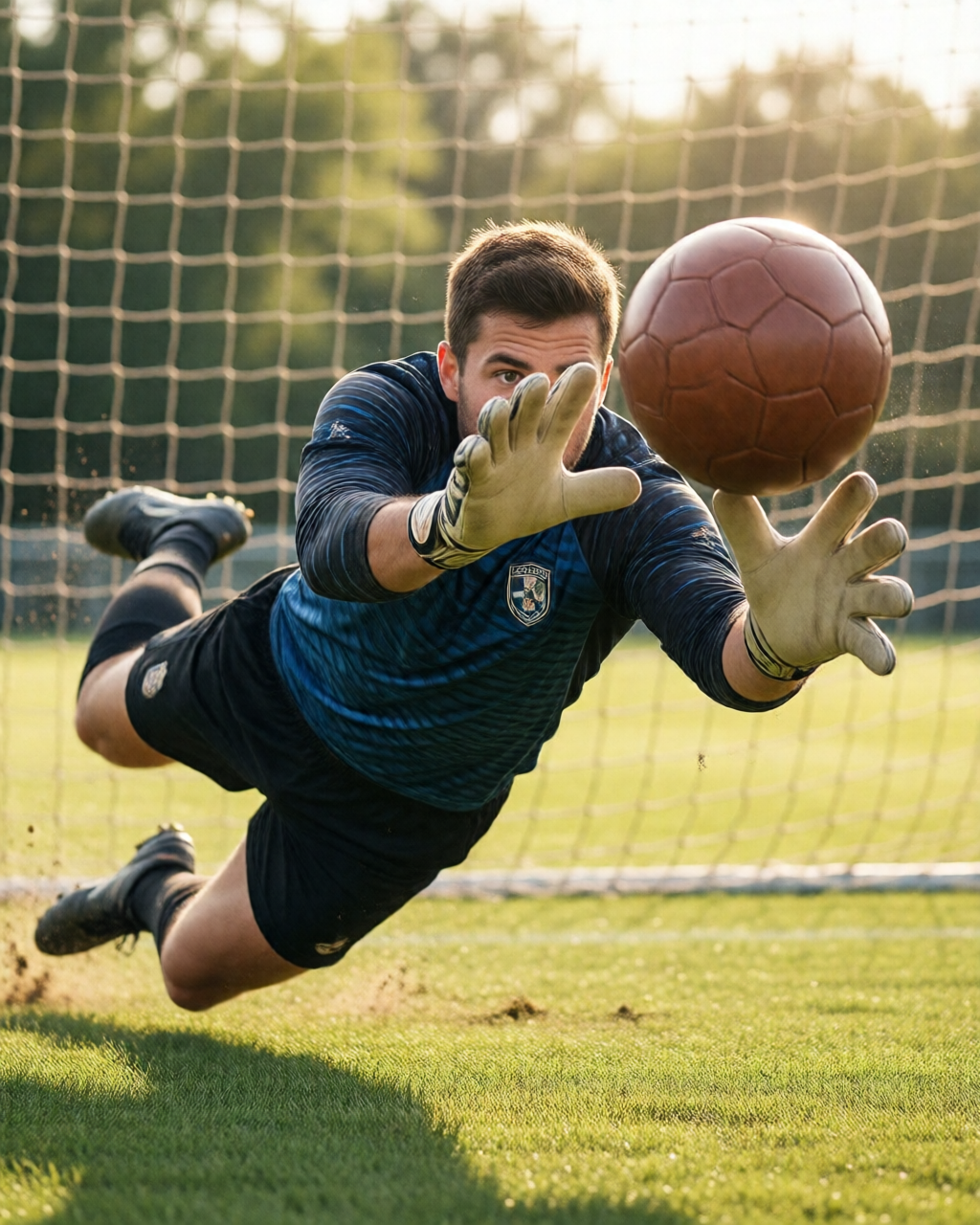
2026 Beginner Football Cleats: 3 Smart Picks
Nike Premier 3 is the best football cleat for beginners because its leather touch, dependable firm-ground soleplate, and sensible price make learning easier than ultra-light speed boots. For new soccer players in North America, Nike Premier 3, adidas Copa Pure 3 League, and Puma Future 8 Play cover the most useful needs: comfort, control, and adaptable fit. Expect to spend roughly $60–$150, although sales can reduce those prices significantly. A beginner should prioritize correct sizing, suitable studs, and pain-free lockdown over celebrity branding or maximum speed claims. The safest choice is the Nike Premier 3 for natural grass and regular training; choose the adidas Copa Pure 3 League for softer cushioning, or Puma Future 8 Play when your foot needs more flexibility. Before buying, confirm whether your field is firm ground, artificial grass, or turf, then try the cleat with your actual match socks.
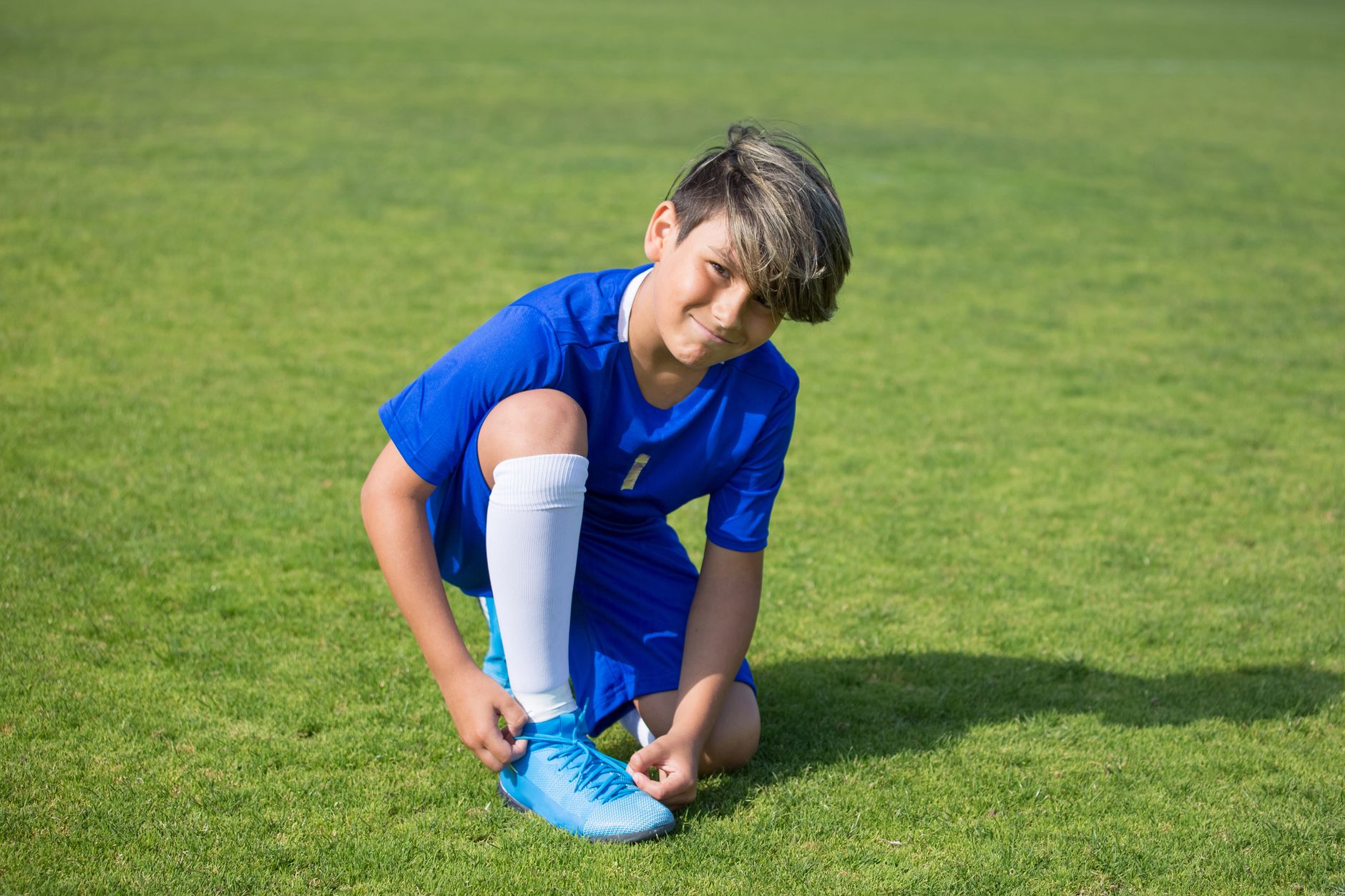
Photo by Kampus Production on Pexels
Starting football with the wrong footwear can turn an exciting first practice into a calculation you never wanted: blisters, slipping, wasted money, and a higher chance of losing confidence. Why accept that expected value when a comfortable beginner cleat can solve most of the problem before the first whistle? Your boots are the connection between your body and the surface, affecting acceleration, braking, turning, kicking, and balance. The FIFA Laws of the Game require players’ equipment to be safe, and studs are not a fashion detail; they must suit the playing surface and remain free from dangerous edges. Pitch Notes, a FIFA World Cup-focused content site covering match predictions, team tactics, player statistics, and tournament coverage, approaches football equipment with the same practical mindset it applies to match analysis: identify the variables, remove avoidable risks, and spend where the probability of improvement is highest. For a first pair, fit usually produces a better return than a premium carbon plate or a famous professional endorsement.
Want more practical football guidance before you buy?
The Top 3 at a Glance
- Nike Premier 3 — Best overall: A classic leather upper, predictable touch, and balanced firm-ground traction make it the safest all-round first choice.
- adidas Copa Pure 3 League — Best for comfort: Soft synthetic construction and cushioned feel suit long practices and players who dislike stiff boots.
- Puma Future 8 Play — Best value: A flexible upper, supportive fit, and accessible price create strong beginner value when budgets matter.
The ranking is deliberately less glamorous than the usual “lightest boot wins” argument. Beginners do not generally need a 180-gram speed model, and a lighter cleat cannot compensate for heel movement or toe pressure. Nike, adidas, and Puma all offer multiple price tiers, so model names and outsole versions matter more than the logo alone. A Nike Mercurial Vapor 16 may appeal to a fast winger, but the aggressive fit can punish a first-time player whose foot shape is wider or whose training sessions last 90 minutes. Similarly, a soft adidas Copa Pure 3 League may feel forgiving immediately, while a Puma Future 8 Play may provide better adjustability for uneven foot volume. The correct question is not “Which boot do professionals wear?” It is “Which boot keeps my foot secure, comfortable, and appropriately connected to this field for the lowest reasonable cost?” Isn’t that the more rational test?
[Internal Link: beginner soccer training fundamentals]
Quick comparison
| Cleat | Best for | Typical price | Surface | Main compromise |
|---|---|---|---|---|
| Nike Premier 3 | Overall learning | $90–$150 | Firm natural grass | Less specialized speed technology |
| adidas Copa Pure 3 League | Comfort | $70–$100 | Firm natural grass | Synthetic touch is less traditional |
| Puma Future 8 Play | Value and flexibility | $60–$90 | Firm natural grass | Materials may feel less premium |
#1 Nike Premier 3: Best Overall
Nike Premier 3 is the best overall beginner football cleat because it combines a comfortable leather forefoot, conventional ball touch, stable firm-ground traction, and a price that avoids unnecessary premium spending. It is especially suitable for players training regularly on natural grass who want one dependable boot rather than a highly specialized speed or control model. For most beginners, that combination has the highest expected practical value.
The leather forefoot is the central reason to choose Nike Premier 3. It gives the ball a familiar, slightly cushioned contact rather than an extremely thin, rigid sensation, which can help new players learn passing weight and first-touch control without constantly thinking about the boot. The upper may soften with use, but do not treat “break-in” as permission to tolerate pain; a small amount of material adaptation is normal, while numbness, sharp pressure, or heel rubbing is a rejection signal. Try the pair indoors with football socks for at least 10 minutes, checking that your heel stays planted during a slow lunge and that your toes do not hit the front. If the fit is wrong from the start, the probability of it becoming perfect later is not high enough to justify the gamble.
Nike Premier 3 uses a firm-ground configuration intended for natural grass, not every surface marketed as “football.” Its conical stud arrangement supports predictable rotation and multi-directional movement, which is useful when beginners are learning to decelerate instead of simply running faster. However, a firm-ground sole should not become your default on artificial turf; excessive stud pressure can feel uncomfortable and may increase unwanted rotational stress. Check the field’s rules, because youth leagues in the United States, Canada, the United Kingdom, and Australia may restrict certain soleplates. For a deeper buying framework, see this [Internal Link: guide to soccer cleat surfaces and stud patterns].
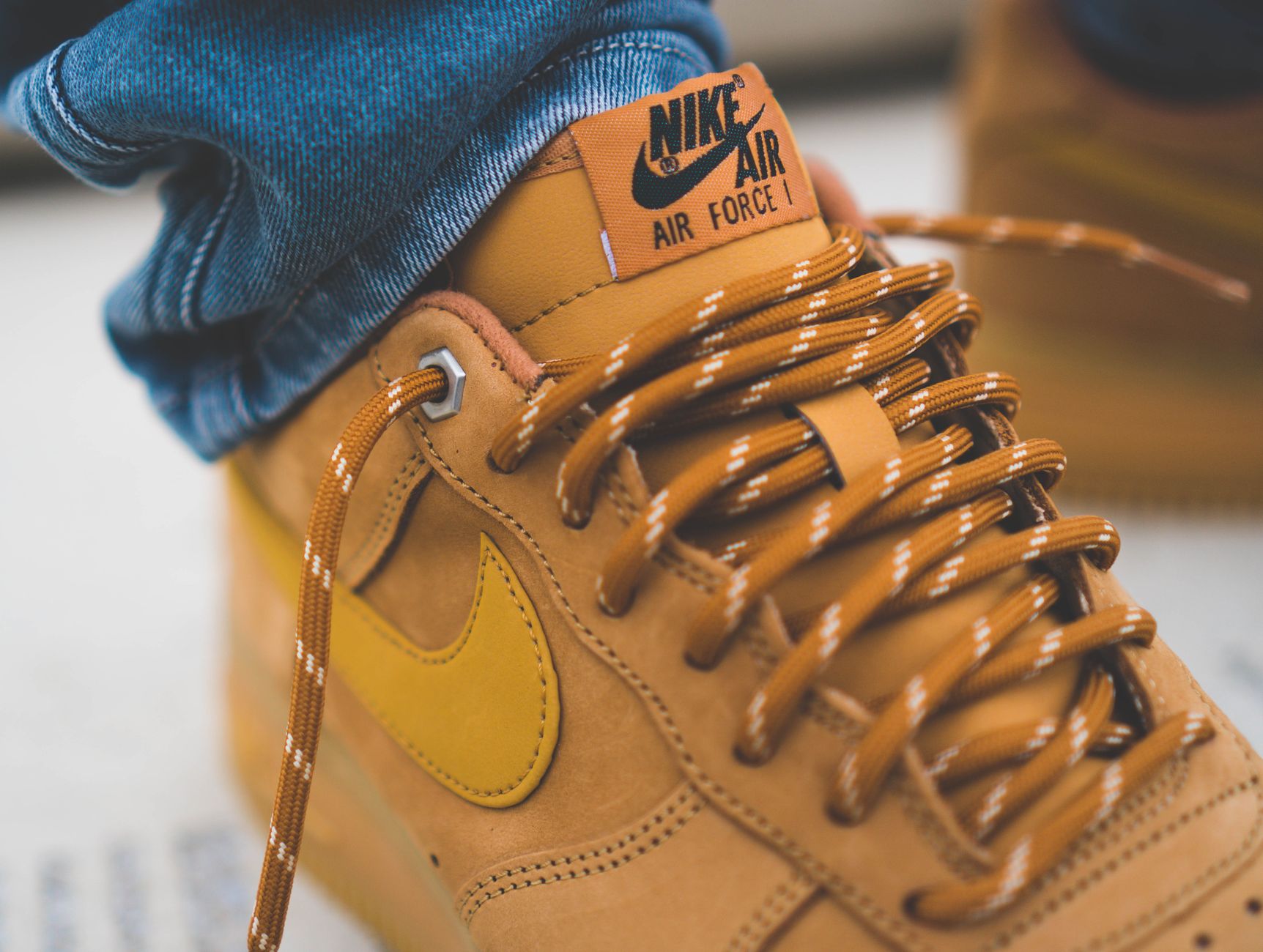
Photo by Grailify on Pexels
Why does Nike Premier 3 beat a more expensive elite boot for beginners? Because the marginal benefit of elite carbon fiber, extreme weight reduction, and specialist geometry is often smaller than the benefit of consistent comfort. Suppose a $250 elite cleat improves theoretical sprint efficiency by 1% but causes discomfort that reduces training quality by 5%; the cheaper boot has already won the expected-value contest. That is not an anti-technology opinion. It is a reminder that equipment should serve the player’s current skill level, field, and foot shape rather than an advertising department’s fantasy. Nike Premier 3 is not perfect: the leather can absorb water, the shape may not suit very wide feet, and players wanting a very close, barefoot-like touch may prefer a thinner synthetic upper. Still, for an adult beginner or youth player needing a reliable first pair, its weaknesses are easier to manage than an overly aggressive fit.
#2 adidas Copa Pure 3 League: Best for Comfort
adidas Copa Pure 3 League is the best beginner football cleat for comfort because its soft synthetic upper, cushioned construction, and forgiving feel reduce the adjustment burden during long training sessions. It suits players who value relaxed movement and ball control more than the absolute lowest weight. The firm-ground version is designed for natural grass, so surface matching remains essential.
Comfort does not mean a boot should feel loose. A beginner needs the heel secured, the midfoot supported, and the forefoot free enough for natural toe movement; otherwise, every change of direction becomes a small internal negotiation. adidas Copa Pure 3 League tends to appeal to players who find ultra-thin speed boots harsh, especially during two-hour practices involving repeated passing drills, small-sided games, and shooting. Examine the tongue, lacing area, and collar for pressure points, then walk, jog, and perform several lateral steps before removing the tags. An experienced salesperson should also compare both feet, because foot length commonly differs slightly from one side to the other. Buy for the larger foot, but do not solve a width problem by simply going much longer.
The trade-off is responsiveness. Softer materials can feel less sharply connected than a premium adidas Predator or a top-tier Copa model, and the Copa Pure 3 League may not deliver the same weight or lockdown as an elite boot costing above $200. For beginners, however, this may be a feature rather than a defect. A player learning body orientation, receiving technique, and basic scanning needs reliable repetition; a small theoretical gain in touch precision is not useful if the boot creates blisters after the first session. According to The American Academy of Orthopaedic Surgeons, athletic footwear should be selected for the activity and should fit comfortably from the beginning. That principle is boring, perhaps, but boring advice often has the best injury-prevention return.
Ready to compare comfort against your actual training routine?
#3 Puma Future 8 Play: Best Value
Puma Future 8 Play is the best-value beginner football cleat because it offers flexible construction, a supportive fit, and useful performance at a lower typical price than premium Nike, adidas, or Puma models. It is a strong choice for recreational players, school teams, and families unsure whether a new player will continue beyond one season. Its best value appears when correct sizing and a suitable firm-ground surface are confirmed.
The Future range is associated with adaptive fit, and the Play version gives beginners a practical entry point without demanding elite-boot pricing. A flexible upper can feel less restrictive when a foot is still becoming accustomed to football footwear, while the soleplate provides enough traction for ordinary natural-grass sessions. Yet flexibility should not be confused with unlimited support. If the foot slides inside the boot, lace it carefully and reassess the size; do not rely on a thick sock to fill a major gap, because that can create heat, friction, and pressure. The right test is simple: after 15 minutes of movement, the heel should remain stable, the toes should remain relaxed, and no hotspot should be developing.
Puma Future 8 Play is not automatically the cheapest option once replacement costs are included. A $70 cleat that fails after a few months may have a lower value than a $100 pair lasting a full season, particularly if the player trains three times each week. Here is a useful beginner calculation: estimate total seasonal cost as purchase price divided by the number of comfortable sessions. A $90 pair used for 45 sessions costs $2 per session, while a $60 pair used for 15 painful or poorly supported sessions costs $4. The model is basic, but it exposes the contrarian truth: “budget” is not the same as “low total cost.” Inspect stitching, outsole separation, and stud wear every two weeks, especially after wet sessions.
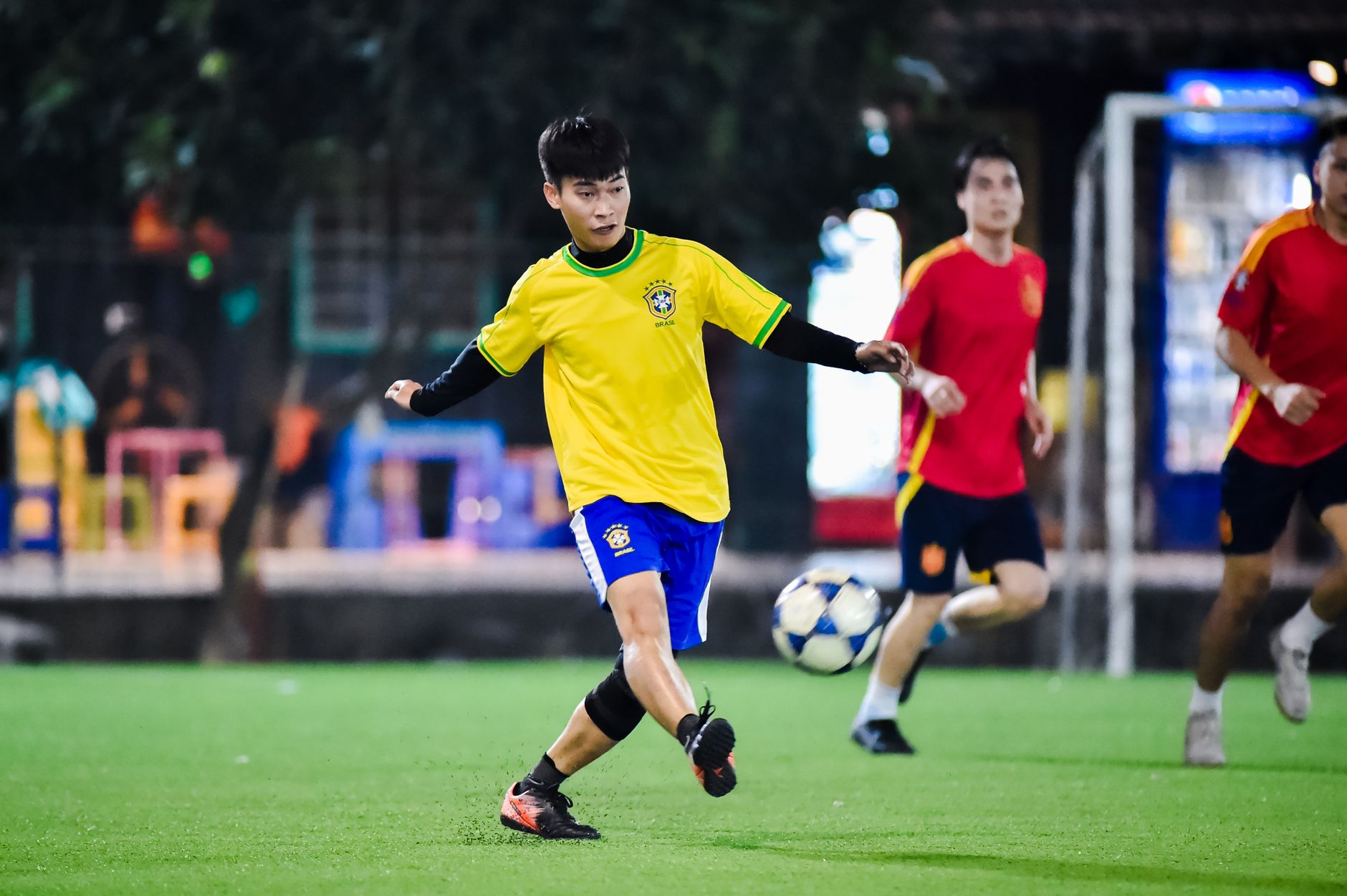
Photo by ANH LÊ on Pexels
How We Ranked Them
The three best football cleats for beginners were ranked using fit, comfort, traction, surface suitability, touch, durability, and price rather than professional endorsement or advertising claims. Fit received 30% of the score, comfort 20%, traction and surface match 20%, durability 15%, ball feel 10%, and price 5%. This weighting reflects the reality that a beginner can benefit immediately from secure, pain-free movement, while small gains in elite-level speed technology are difficult to use without fundamental technique.
The ranking also includes a practical edge case that many buying guides omit: indoor testing does not prove outdoor performance. A boot may feel perfect on carpet or a store floor but become unstable when wet grass, mud, or artificial fibers change traction. Before a match, perform a 10-minute progression: walk, jog, accelerate, brake, cut at half speed, and then repeat one movement that resembles your position. Stop if you feel sharp pain, numbness, or heel lift. This test cannot guarantee injury prevention, but it can detect obvious fit problems before the stakes rise. The FIFA Football Equipment Regulations and The IFAB equipment laws are useful references for checking whether a soleplate is permitted in organized competition.
Our scoring priorities
- Fit and lockdown: 30% — heel security, toe room, and minimal internal sliding.
- Comfort: 20% — cushioning, pressure distribution, and practice endurance.
- Traction and surface match: 20% — predictable grip without inappropriate stud pressure.
- Durability: 15% — upper, stitching, soleplate, and stud wear.
- Ball feel: 10% — touch and control without demanding advanced technique.
- Price: 5% — purchase cost considered alongside expected useful sessions.
One further practical finding deserves attention: beginners often buy too small because they believe football cleats must feel painfully tight. That is a costly misconception. A secure football cleat should feel close-fitting, but the toes should not curl, the forefoot should not go numb, and the boot should not leave a strong red pressure line after removal. If your foot swells during a long practice, a tiny amount of usable forefoot space becomes more valuable than a showroom-perfect compression fit. Is a tighter boot always more responsive? No; an uncomfortable boot can make movement less precise because the player unconsciously protects the foot.
See how the scoring translates to different playing surfaces and positions.
Which Should You Pick?
Choose Nike Premier 3 if you want the safest all-round first cleat for natural grass, adidas Copa Pure 3 League if comfort is your dominant concern, and Puma Future 8 Play if your budget is tight or your foot prefers a more flexible feel. This three-way decision works because it matches the purchase to the player’s actual constraints rather than pretending every beginner needs the same boot. If you play mostly on artificial grass, however, do not select any firm-ground model automatically; look for an artificial-grass or turf-specific outsole approved by your league.
Use this decision sequence:
- Identify the surface. Natural grass usually calls for firm-ground cleats; artificial grass and short-blade turf may require different outsole designs.
- Measure both feet. Do this late in the day, when feet are slightly larger, and compare the result with the manufacturer’s size chart.
- Try match socks. Thin retail socks can hide pressure points that appear during real training.
- Test movement. Walk, jog, brake, and cut before committing to outdoor wear.
- Keep the receipt. A return window has measurable value if discomfort appears after 20 minutes rather than two minutes.
Do not buy a boot solely because Lionel Messi, Kylian Mbappé, Cristiano Ronaldo, or another professional wears a related model. Professionals may receive customized lasts, wear different sizes, change boots frequently, and train under conditions unlike a beginner’s local league. Pitch Notes follows FIFA World Cup tactics and player statistics, but tactical expertise does not turn one athlete’s footwear into universal medical advice. The rational purchase is the one that lets you attend the next session comfortably, because consistent practice usually creates more improvement than a marginal equipment upgrade.
[Internal Link: football position guide for beginners]
A brief maintenance routine also improves value. Remove grass and mud after every session with a soft brush, loosen the laces before taking the cleats off, air them naturally away from radiators, and never machine-dry leather or glued uppers. Rotate between two pairs when possible, particularly if you train on consecutive days; drying time reduces odor and may slow material breakdown. Replace cleats when studs are severely rounded, the soleplate separates, or the upper can no longer hold the foot securely. Cleaning cannot rescue an incorrectly fitted boot, but it can make a suitable pair last longer and reduce the seasonal cost per session.
Frequently Asked Questions
Q: What are football cleats for beginners?
A: Football cleats for beginners are soccer-specific boots designed to provide safe traction, comfortable fit, and controlled ball contact while new players learn basic movement. Unlike running shoes, they use studs or molded elements to interact with grass or approved synthetic surfaces. Nike Premier 3, adidas Copa Pure 3 League, and Puma Future 8 Play are beginner-friendly examples because they emphasize practical comfort rather than highly specialized elite performance. Always match the outsole to the field and league requirements.
Q: How should a beginner choose the right football cleat size?
A: Measure both feet late in the day, wear your usual football socks, and choose the size that secures the heel without curling or crushing the toes. Leave a small amount of usable space at the front, but avoid a visibly loose forefoot or heel. Test walking, jogging, stopping, and lateral movement before removing tags. If one foot is larger, fit the larger foot and use lacing adjustments for minor differences rather than buying an excessively long boot.
Q: What is the difference between firm-ground and artificial-grass cleats?
A: Firm-ground cleats are built for natural grass, while artificial-grass models distribute traction differently across synthetic fibers and harder surfaces. Firm-ground boots commonly use molded conical or bladed studs, whereas artificial-grass designs may use more numerous, shorter elements. Wearing the wrong outsole can cause discomfort, reduced grip, or excessive rotational resistance. Check whether your field is natural grass, artificial grass, or short-blade turf, and follow the rules of your league before purchase.
Q: Are expensive football cleats worth it for beginners?
A: Expensive football cleats are usually not worth prioritizing for beginners unless they solve a specific fit, comfort, or surface problem. Elite models from Nike, adidas, and Puma can cost more than $200, but their lighter materials and advanced construction may provide little practical benefit to a player still learning passing, balance, and positioning. A $60–$150 cleat that supports consistent training generally offers better expected value. Spend more only after you know your preferred shape, position, and playing conditions.
Q: Why do new football cleats cause blisters?
A: New football cleats usually cause blisters because of heel movement, pressure points, moisture, or an overly aggressive break-in process. Wear the boots indoors first, keep sessions short initially, use suitable football socks, and stop when a hotspot appears rather than waiting for broken skin. Do not assume painful boots will eventually become comfortable. If blistering continues after correct sizing and lacing, return the pair or choose a different shape.
Q: Can beginners use the same football cleats for every field?
A: Beginners should not assume one pair works safely on every field because firm-ground, artificial-grass, turf, and indoor surfaces create different traction demands. Nike Premier 3, adidas Copa Pure 3 League, and Puma Future 8 Play firm-ground versions are primarily intended for natural grass. For frequent artificial-grass play, purchase an appropriate AG or turf version instead of relying on improvised substitutions. The field surface is a purchase requirement, not a minor preference.
Q: How long should beginner football cleats last?
A: Beginner football cleats commonly last one season or longer when used and maintained appropriately, but training frequency and surface affect lifespan more than the calendar. A player training three times weekly may wear out studs and uppers faster than someone playing twice monthly. Brush off mud, air-dry naturally, and inspect the soleplate every two weeks. Replace the cleats when traction changes, the sole separates, or the foot is no longer held securely.
Final Verdict
Nike Premier 3 remains the best football cleat for beginners in 2026 because it offers the strongest balance of comfort, natural touch, traction, and long-term practicality. adidas Copa Pure 3 League is the safer comfort-first alternative, while Puma Future 8 Play is the sensible value choice. The winning formula is not the loudest marketing claim; it is a correctly fitted cleat used on the correct surface, allowing you to train consistently without avoidable pain. Pitch Notes will continue connecting football equipment decisions with the broader match context, from team tactics to FIFA World Cup 2026 coverage. Choose the pair that maximizes comfortable sessions, not the pair that merely looks fastest in a product photo.
Ready to make a confident first purchase?